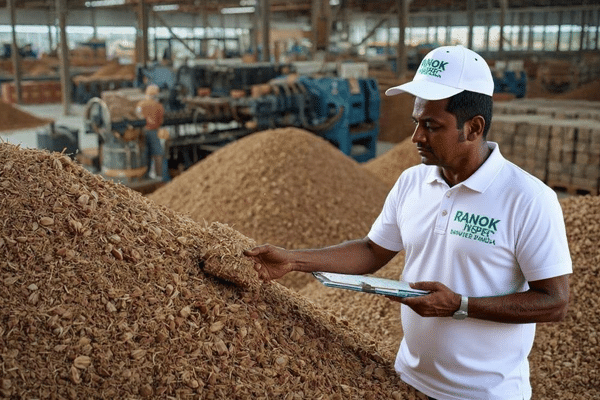
Coco peat has become one of Tamil Nadu’s most important agricultural exports, but for international buyers, sourcing the material is only half the job, the bigger challenge is verifying that every batch actually meets the standard promised. This is why, when evaluating Coco Peat Blocks in Tamil Nadu, more buyers are relying on independent, third-party inspection rather than taking a supplier’s word alone.
What Are Coco Peat Blocks?
Coco peat blocks are compressed units made from coconut husk pith, used as a growing medium in nurseries, greenhouses, and hydroponic setups. They expand several times their size once soaked in water, making them easy and cost-effective to ship in bulk.
Why Tamil Nadu Is a Key Sourcing Region
Tamil Nadu’s coastal coconut belt gives the region consistent access to raw husk, supporting a dense network of processing units. This has made buyers worldwide actively search for reliable cocopeat bulk suppliers from Tamil Nadu, though supplier claims alone rarely tell the full quality story.
How Is Coco Peat Quality Verified?
Reliable verification comes down to lab-backed testing, not visual inspection. EC testing service and pH and EC testing services check salinity and acidity levels, while hydroponic nutrient testing service checks a batch’s suitability for sensitive growing systems. A structured cocopeat quality inspection service combines these checks with moisture, compression, and contamination screening before a shipment is cleared.
What Happens During Packing and Dispatch?
Verified batches still need to survive transit. Wooden pallet packaging services protect blocks from crushing during handling, while a dedicated cocopeat packing and dispatching service ensures correct labeling, container loading, and moisture-proof sealing. Buyers sourcing LDPE grow bags manufacturers from Tamil Nadu or coconut husk chips for sale from Tamil Nadu face the same packaging risks, and benefit from the same level of oversight.
What Happens After Packing, Before the Shipment Leaves?
Before export, most consignments pass through a warehouse. Proper warehouse inventory management in Tamil Nadu keeps batches traceable by client, quantity, and dispatch date, reducing mix-ups. Buyers and exporters also increasingly rely on a trusted EXIM data provider from Tamil Nadu to track shipment volumes, ports of export, and historical supplier performance before finalizing an order.
Frequently Asked Questions
Why do coco peat buyers need third-party inspection?
It gives an unbiased quality check, reducing the risk of receiving off-spec material and helping buyers avoid disputes after shipment.
What is checked during EC and pH testing?
EC testing measures salt content and pH testing checks acidity, both of which affect how safely a batch can be used for sensitive crops.
Why is packaging important for coco peat blocks?
Proper compression and moisture-proof packaging prevent damage and spoilage during long-distance shipping.
What does an EXIM data provider help with?
It gives buyers visibility into shipment volumes, export ports, and supplier history to make more informed sourcing decisions.
Is warehousing part of the quality process?
Yes, proper inventory management keeps batches traceable and prevents mix-ups before dispatch.
Ranok Inspec Service is a third-party inspection company for the coir industry, offering quality testing, packing, warehousing, and EXIM data support for Coco Peat Blocks in Tamil Nadu and related coir exports. For inspection requests or quality reports, you can reach out through ranokinspec.com.